Why Most Resumes Fail Before They’re Read
Why clarity, relevance, and positioning matter more than experience in modern hiring.
Most resumes fail not because candidates lack experience, but because they fail to communicate relevance quickly. In today’s hiring environment, recruiters often spend only seconds scanning each resume. Understanding how hiring managers actually read resumes can make the difference between being overlooked and getting the interview.

For many professionals, the resume is the most important document in their career journey. People spend hours refining wording, adjusting formatting, and listing every responsibility they have ever held. Yet despite this effort, many resumes fail before they are truly read.
The problem is not always a lack of experience or qualifications. In many cases, the resume simply fails to communicate value quickly enough.
In modern hiring environments, recruiters and hiring managers often review dozens — sometimes hundreds — of applications for a single role. Studies frequently suggest that a recruiter may spend only a few seconds scanning a resume during the first review. This means the difference between moving forward and being overlooked often comes down to clarity, relevance, and positioning.
Understanding how resumes are actually reviewed can help professionals present themselves more effectively.
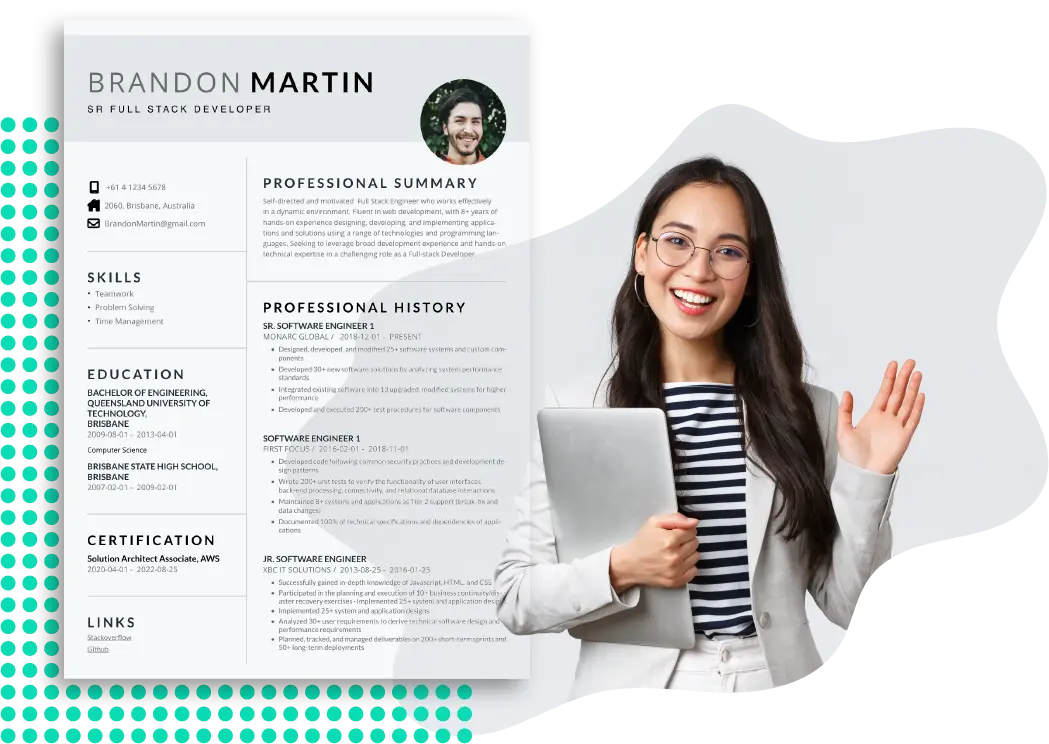
1. The Resume Is Too Focused on Tasks, Not Value
One of the most common issues is that resumes describe responsibilities instead of impact.
Many resumes include bullet points like:
- Responsible for managing client relationships
- Assisted with project coordination
- Participated in team meetings
While these statements describe activity, they do not communicate results. Hiring managers are often looking for evidence of contribution and outcomes.
Stronger resumes focus on value and results, for example:
- Improved client retention by developing structured follow-up processes
- Coordinated cross-functional teams to deliver projects ahead of schedule
- Streamlined reporting processes, reducing preparation time by 30%
A resume should answer a simple question:
What difference did this person make?

2. The Resume Lacks Relevance to the Role
Another common reason resumes are rejected quickly is that they are too generic.
Many candidates submit the same resume to dozens of roles without tailoring it to the specific position. As a result, the document may list skills and experiences that are not aligned with the job description.
Recruiters typically scan resumes looking for signals that match the role:
- relevant experience
- key skills
- industry familiarity
- leadership scope
If these signals are not immediately visible, the resume may be overlooked.
A strong resume highlights the experiences most relevant to the role being applied for. This does not mean rewriting the entire document each time, but it does mean adjusting emphasis and positioning.

3. The Resume Is Difficult to Scan
Recruiters do not read resumes like articles. They scan them.
Common formatting issues that reduce readability include:
- long paragraphs
- overly dense text
- inconsistent formatting
- unclear section structure
A well-structured resume should allow a recruiter to quickly identify:
- who the candidate is
- what roles they have held
- what skills they bring
- what results they have achieved
Clear headings, concise bullet points, and logical organization can significantly improve readability.

4. The Resume Fails to Communicate Professional Positioning
Beyond experience and skills, a resume also communicates professional identity.
For example, two professionals may have very similar experiences, but present themselves differently:
One resume may simply list past roles.
Another may clearly position the candidate as:
- a strategic HR professional
- a project leader
- a data-driven analyst
- a growth-focused marketer
This positioning helps recruiters understand how the candidate fits into the broader needs of the organization.
Without clear positioning, the resume may feel scattered or unfocused.

5. The Resume Focuses Too Much on the Past
Another common issue is that resumes sometimes read like historical records rather than professional narratives.
While listing past roles is important, the document should also communicate direction and capability.
Employers are not only interested in what someone has done before — they are also interested in what the person is capable of doing next.
A strong resume therefore balances:
- experience
- achievements
- capability
- potential contribution
The Resume as a Communication Tool
Ultimately, a resume is not simply a list of experiences. It is a communication tool.
Its purpose is not to document everything someone has done, but to communicate professional value clearly and quickly.
Professionals who understand how hiring managers review resumes can present their experience more effectively and improve their chances of moving forward in the hiring process.
Clarity, relevance, and positioning often matter more than the length of the document or the number of experiences listed.
A resume does not need to tell your entire career story.
It only needs to communicate enough value to open the next conversation.